

Home spatial layout is the key to enhancing the living experience; through rational planning, a home can become more comfortable, functional, and aesthetically pleasing. In modern home design, the creation of multi-functional spaces is garnering increasing attention. With the accelerating pace of urban life and the limitations of living space, integrating multiple functions within a confined area has become a crucial challenge in improving daily convenience. Through clever design and layout, we can ensure that a home not only meets basic living requirements but also offers expanded possibilities for use, thereby elevating the overall quality of life.
How to Implement
Define Space Functions:
First, clearly define the specific function of each area—such as the living room, dining room, or bedroom. Since the needs and purposes of different spaces vary, it is essential to establish the intended use for each area before proceeding with the layout.
Measure Space Dimensions:
Accurately measuring the dimensions of a space serves as the foundation for home planning. This helps in selecting appropriately sized furniture and decor, preventing the space from appearing either overly cluttered or wasteful.
Consider Circulation:
Circulation—or flow—is an indispensable element of home spatial planning. Ensure that furniture and decor do not obstruct movement, allowing residents to enter and exit each room with ease.
Select Appropriate Furniture:
Furniture lies at the very heart of home spatial planning. Choosing furniture that is well-suited to the specific space is critical; pieces that are either too large or too small can compromise the harmony and aesthetics of the room. If space is limited, consider multi-functional furniture options, such as sofa beds or storage cabinets.
Establish Focal Points:
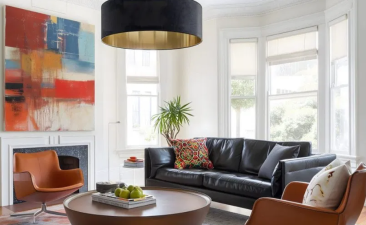
Each room can feature one or more focal points—specific decorative items or pieces of furniture—that enhance the space's visual appeal and functionality. For instance, a large sofa or a piece of artwork in the living room can serve as a compelling visual anchor.
Maximize Wall Space:
Walls are often an overlooked asset in home spatial planning. By installing storage cabinets, bookshelves, or hanging artwork on the walls, you can free up floor space and significantly improve the overall utilization of the room.
Lighting Design:
Lighting design adds atmosphere and comfort to a home environment. Selecting appropriate lighting fixtures for different areas—such as soft, ambient lighting for the bedroom versus bright, functional lighting for the kitchen—can significantly enhance the living experience.
Color Coordination:
Color coordination directly influences the atmosphere and comfort level of a home. Choosing a color palette that harmonizes with the overall design scheme and existing furniture creates a space that appears more cohesive, balanced, and orderly.
Incorporating Plants and Flowers:
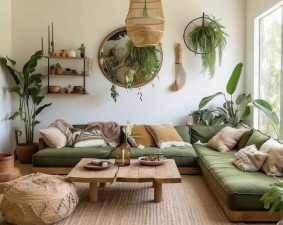
Plants and flowers are an effective way to enhance the aesthetic appeal of a home. Not only do they beautify a space, but they also help purify the air. Selecting plants and flowers that complement the room's overall design can make the space feel more vibrant and inviting.
Attention to Detail:
Attention to detail is key to elevating the overall atmosphere. This involves incorporating appropriate home textiles—such as rugs, curtains, and decorative accessories—as well as carefully considering the placement of specific details and ornaments within the room. Choosing details and accessories that harmonize with the overarching design scheme can lend the space a greater sense of comfort and visual depth.
Conclusion
In practice, it is advisable to begin by formulating a plan, and then utilize simulation software or hand-drawn sketches to visualize the proposed layout. Adjustments should be made based on practical considerations to ensure the optimal spatial arrangement is achieved.